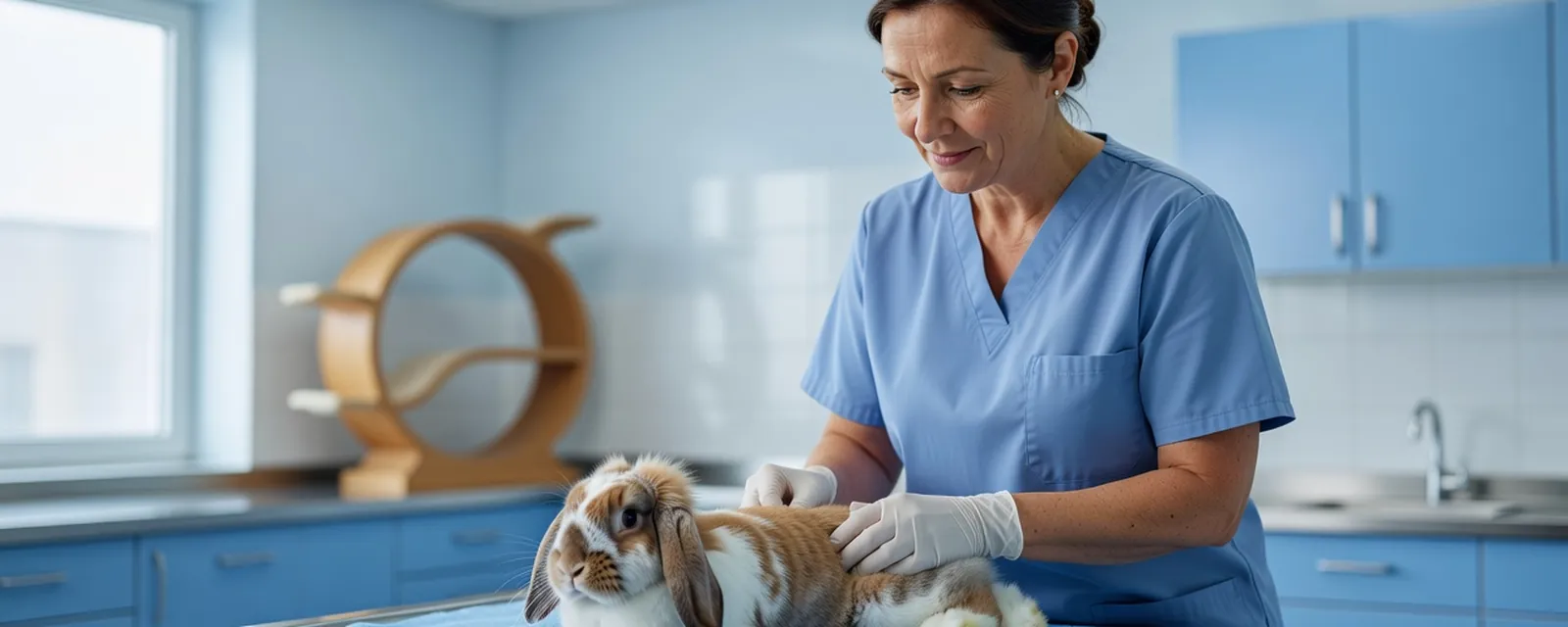
Take-home versions of the guidance our doctors give most often for birds, rabbits, reptiles, and pocket pets. These are general guidelines — your veterinarian's advice for your specific companion always comes first.
All guides (10)
 Avian NutritionA seed-only diet is a leading cause of preventable illness in pet birds. Most parrots do best on a formulated pellet base plus fresh foods.Read the guide
 Feather-Destructive BehaviorFeather plucking is a symptom, not a diagnosis: rule out medical causes before treating it as a behavioral or environmental problem.Read the guide
 Ferret Care BasicsFerrets are obligate carnivores with specific housing, vaccination, and health-monitoring needs, including diseases common in middle age.Read the guide
 GI Stasis in RabbitsGI stasis is one of the most common and dangerous conditions in pet rabbits. Any rabbit that stops eating needs prompt veterinary attention.Read the guide
 Guinea Pigs and Vitamin CGuinea pigs, like humans, cannot synthesize their own vitamin C and depend entirely on diet to prevent scurvy and support normal joint and gum health.Read the guide
 Hedgehog Care BasicsPet hedgehogs need carefully controlled warmth, a solitary insectivore setup, and monitoring for a handful of common age-related problems.Read the guide
 Metabolic Bone Disease in ReptilesMetabolic bone disease, caused by too little calcium, vitamin D3, or UVB, is largely preventable and one of the most common reptile problems.Read the guide
 Pocket Pet BasicsHamsters, gerbils, rats, and mice each have distinct housing, diet, and social needs. They hide illness well, so know the warning signs.Read the guide
 Rabbit Dental DiseaseRabbit teeth grow throughout life, and dental disease, often driven by an inadequate diet, is one of the most common problems in pet rabbits.Read the guide
 Reptile Lighting and UVBMost reptiles need UVB light to make vitamin D3 and absorb calcium, so choosing the right UVB source is one of the most important parts of care.Read the guide
Questions about anything here? Contact our team — we’re glad to help.