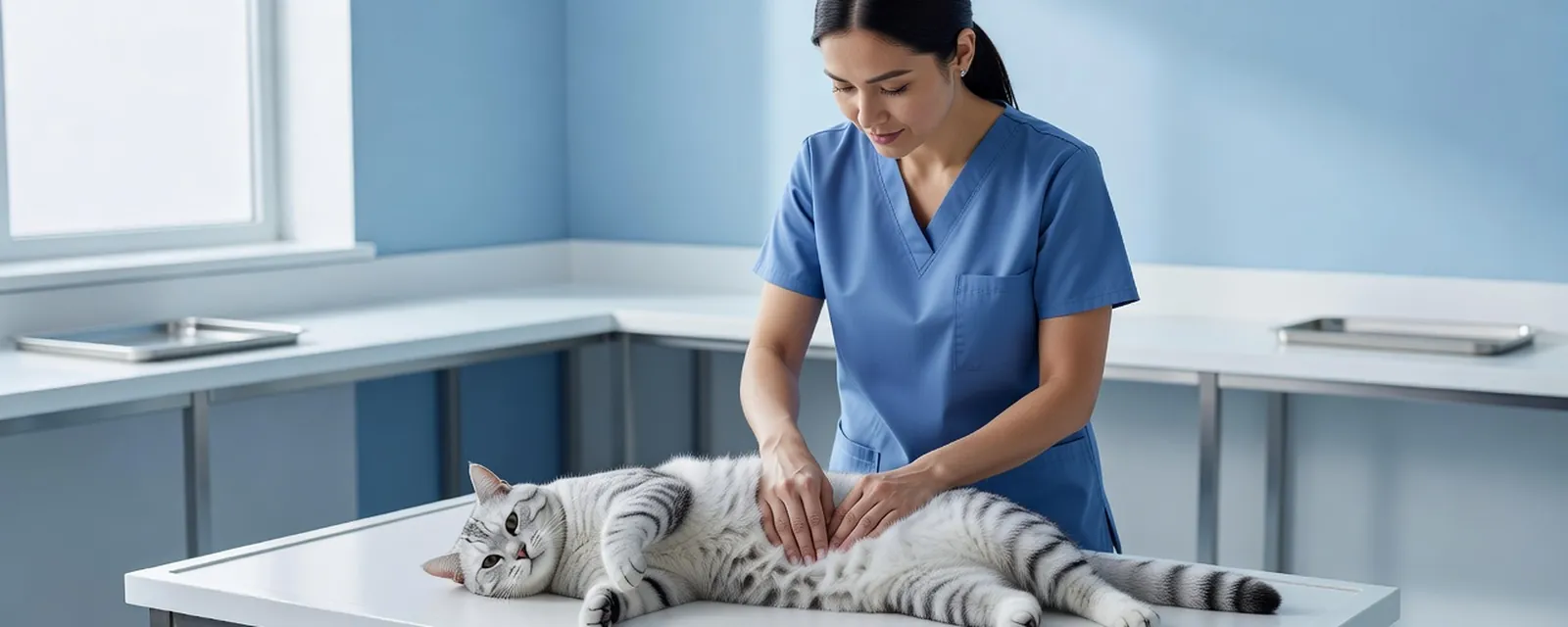
FLUTD is one of the most frequent reasons cats visit the vet. Signs include straining in the litter box, blood in urine, urinating outside the box, and excessive genital licking. In male cats a complete urethral blockage is a true emergency that can become fatal within 24–48 hours.
We begin with urinalysis, urine culture, and imaging to determine the exact cause — idiopathic cystitis, struvite or calcium oxalate crystals, bladder stones, infection, or stress-related inflammation. Treatment combines pain relief, anti-spasm medication, prescription urinary diets, increased water intake, and environmental changes to reduce stress.
FLUTD care includes
- Urgent evaluation for straining or suspected blockage
- In-house urinalysis, culture, X-rays, and ultrasound
- Prescription urinary diets and supplements
- Cat-safe pain and inflammation control
- Long-term prevention plans and monitoring
- Litter box and home environment recommendations
A blocked male cat needs immediate care — call or come in right away. For cats with recurrent episodes we build practical, household-specific prevention plans.
What to expect
For urgent cases we stabilize first (especially blockages). For non-emergencies we collect urine, run imaging, and discuss diet and stress-reduction strategies. Most cats go home the same day with a written plan.
Cat FLUTD Management guides & handouts
Take-home guides from our resource library related to this service.
Frequently asked questions
My male cat is straining — what should I do?
Treat it as an emergency. A complete blockage can kill within 24-48 hours. Bring him in immediately; we can usually relieve it and start supportive care right away.
Can diet really prevent FLUTD?
Yes for many cats. Prescription urinary diets change urine pH and mineral concentration, and increased moisture from wet food dramatically reduces recurrence.
Ready to schedule?
Request an appointment at our Glendale clinic or call our team — we serve pets and their people across the surrounding communities.