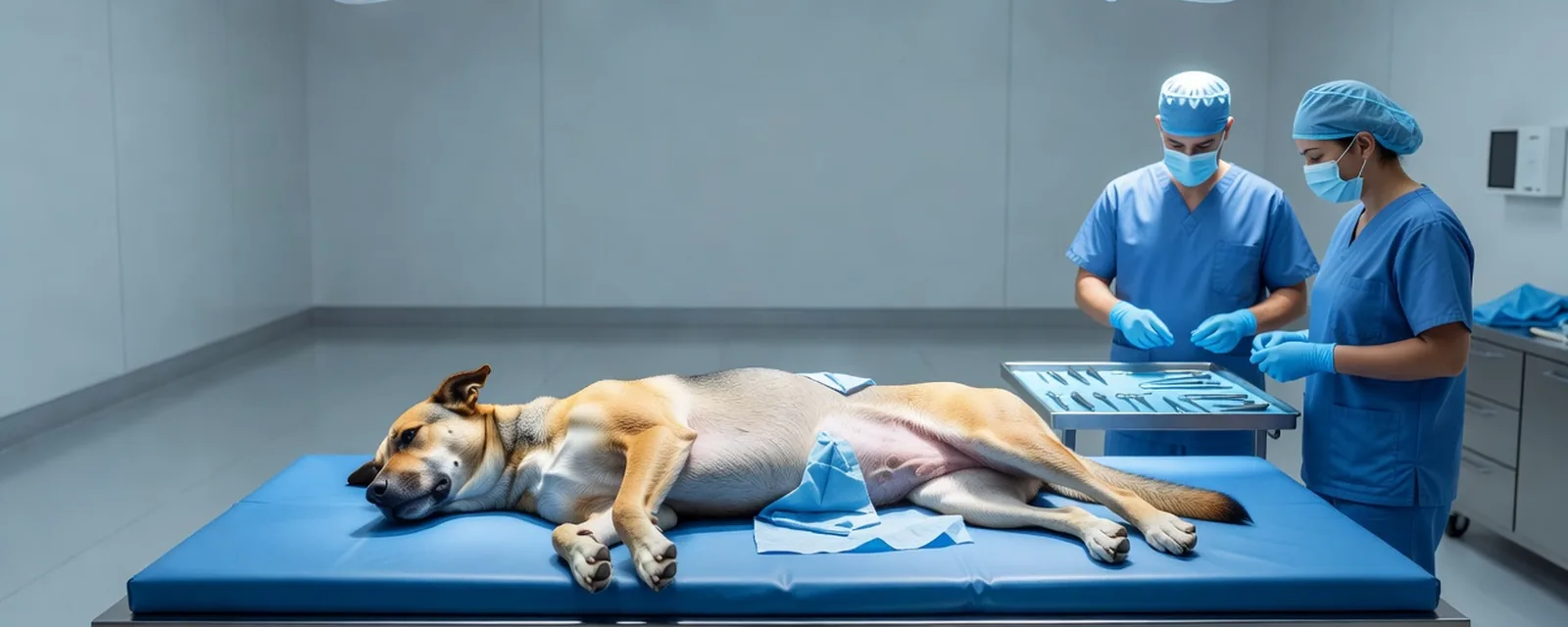
Dogs eat socks, corn cobs, toys, and rocks; cats swallow string, ribbon, and hair ties. When a swallowed object lodges in the stomach or intestine, it blocks the gut, cuts off blood flow to the intestinal wall, and becomes a true emergency — hours matter.
We handle foreign body cases from first X-ray to surgery to hospitalized recovery at our Glendale hospital, so a pet in trouble isn't shuttled between clinics while the clock runs.
Our foreign body service includes
- Same-day X-rays and ultrasound for suspected obstructions
- IV fluid stabilization before anesthesia
- Gastrotomy and enterotomy (stomach and intestinal surgery)
- Intestinal resection when a segment can't be saved
- Hospitalized post-operative monitoring
- Clear guidance on re-feeding and recovery at home
What to expect
Suspected obstructions are seen urgently: exam, X-rays (and ultrasound when needed), and IV fluids to stabilize before anesthesia. Surgery removes the object through the stomach or intestine, and most patients stay hospitalized a night or two before going home to a bland-diet recovery.
Foreign Body Surgery guides & handouts
Take-home guides from our resource library related to this service.
Swallowed Objects in Dogs and Cats: When a Foreign Body Needs Surgery
A gastrointestinal foreign body is anything swallowed that can't pass on its own: toys, socks and underwear, bones, corn cobs, fruit pits, rocks, hair ties, and — especially dangerous in cats — string, thread, and ribbon.
Some objects pass uneventfully. The problem is the ones that don't: a lodged object obstructs the gut, fluid backs up, and pressure damages the intestinal wall. String-type (linear) foreign bodies are worse still, sawing through the intestine as the gut tries to move them along. A perforated intestine spills bacteria into the abdomen — a life-threatening condition called septic peritonitis.
Symptoms of an Obstruction
- Repeated vomiting, especially if nothing stays down — including water
- Loss of appetite and lethargy
- A painful, tense, or hunched belly
- Straining with little or no stool
- Drooling or gulping (especially cats with string caught under the tongue)
- A known or suspected chewing incident — a destroyed toy, missing sock
If you saw or suspect your pet swallowed something, don't wait for symptoms — and never pull on a visible string. Call us immediately; early action can sometimes mean retrieving an object from the stomach before it ever reaches the intestine.
How We Diagnose It
Diagnosis combines the exam with imaging. Digital X-rays show many objects outright and reveal the gas patterns of an obstructed bowel even when the object itself is invisible. Ultrasound helps find fabric, plastic, and linear foreign bodies X-rays miss. Bloodwork checks hydration, electrolytes, and organ function — dehydrated, vomiting patients are stabilized on IV fluids before anesthesia, not rushed straight to the table.
What the Surgery Involves
- Gastrotomy: opening the stomach to remove an object — typically straightforward with excellent recovery
- Enterotomy: opening the intestine over the object and closing it meticulously
- Resection and anastomosis: removing a damaged segment of intestine and joining the healthy ends when the wall has lost blood supply
- Full abdominal exploration to make sure nothing else — including more string — is left behind
Recovery and Aftercare
- Hospitalization on IV fluids and pain control, typically one to two days
- Small bland meals reintroduced early — the gut heals better working
- Cone and incision care for 10-14 days at home
- Watching closely for vomiting, fever, or dullness in the first 3-5 days
- An honest conversation about prevention — many chewers repeat the offense
Expected Outcomes
Prognosis tracks timing. Pets treated before the intestinal wall is badly damaged recover extremely well — the large majority go home eating and comfortable within days. Cases that wait until the bowel has perforated face a much harder, riskier course. It is genuinely one of the clearest "sooner is better" situations in veterinary medicine.
Why Choose Angelus Pet Hospital for Foreign Body Surgery
- X-rays, ultrasound, surgery, and hospitalization under one roof in Glendale
- Same-day urgent appointments for suspected obstructions
- Stabilization-first approach to anesthesia in sick patients
- Experienced soft-tissue surgical team and dedicated anesthesia monitoring
- Financing options when the emergency isn't in the budget
Frequently asked questions
My pet swallowed something an hour ago — what should I do?
Call us right away — don't wait for vomiting, and don't induce vomiting at home without veterinary guidance (some objects do more damage coming back up). If it's caught early enough, some objects can be retrieved from the stomach before they ever reach the intestine.
How much does foreign body surgery cost?
It depends on how far the object traveled and how much damage it caused — removing an object from the stomach is simpler than resecting damaged intestine, which is the strongest financial argument for coming in early. We provide an estimate before surgery, and financing options are available for emergencies.
Could the object pass on its own?
Some do — small, smooth objects often make the trip. Whether waiting is safe depends on the object's size, shape, and material, and on serial X-rays showing it's actually moving. That's a monitored decision we make together, never a home guess with string, bones, or anything sharp.
Ready to schedule?
Request an appointment at our Glendale clinic or call our team — we serve pets and their people across the surrounding communities.
Need help with the cost? Explore financing options