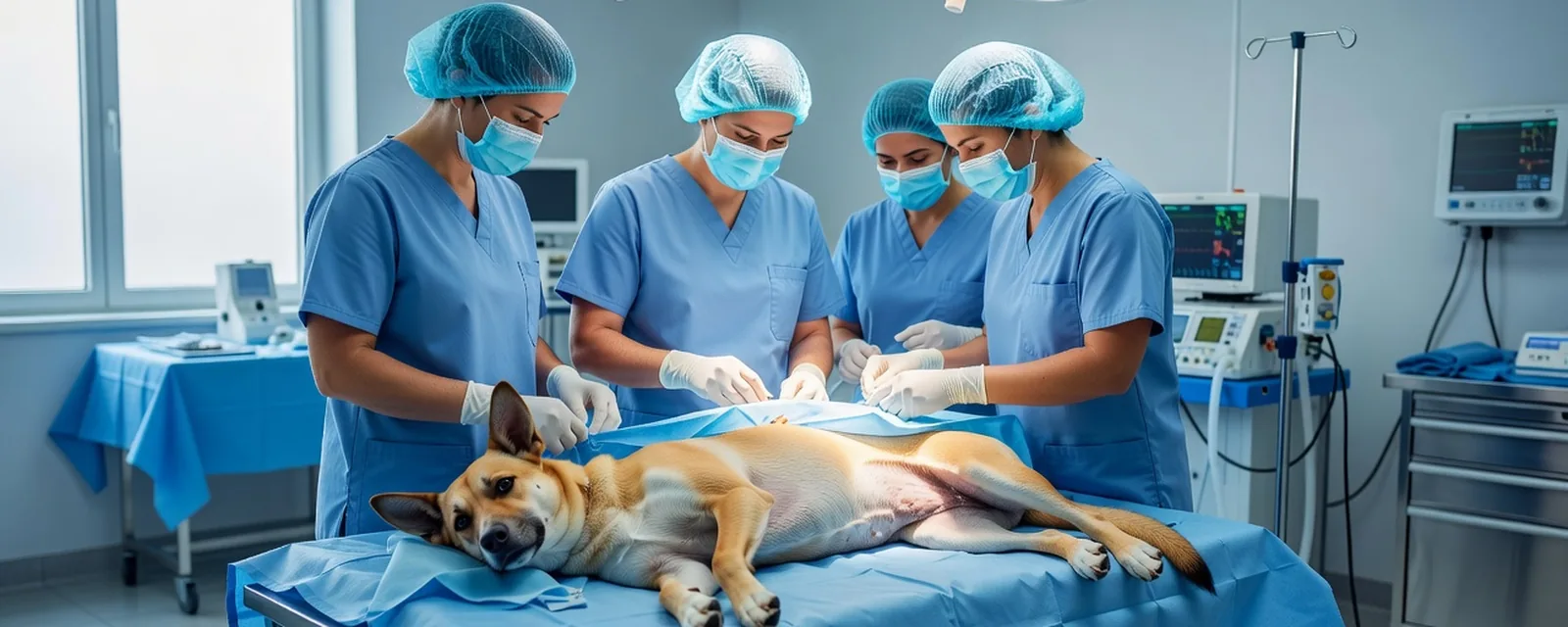
Bladder stones are rock-hard mineral deposits that form in the urinary bladder, scraping its lining and causing bloody urine, straining, and painful urgency. In male pets, a stone that washes into the narrow urethra can block urination entirely — a life-threatening emergency.
Cystotomy — surgically opening the bladder to remove the stones — is the definitive fix for stones that can't be dissolved with diet. Every stone we remove is analyzed, because knowing its mineral type is what lets us keep new ones from forming.
Our bladder stone service includes
- X-rays and ultrasound to find and measure stones
- Urinalysis and urine culture
- Dissolution diet trials when the stone type allows it
- Cystotomy surgery with complete stone retrieval
- Laboratory stone analysis on every case
- A tailored prevention plan — diet, water, and recheck schedule
What to expect
X-rays and a urinalysis confirm the stones and suggest their type. If diet dissolution is realistic we'll offer it; otherwise cystotomy removes the stones, they're sent for analysis, and your pet goes home the same day or next with a prevention plan built from the results.
Bladder Stone Surgery (Cystotomy) guides & handouts
Take-home guides from our resource library related to this service.
Bladder Stones in Dogs and Cats: Diagnosis, Cystotomy, and Prevention
Bladder stones (uroliths) form when minerals in the urine concentrate and crystallize, growing from grit into stones that can reach remarkable sizes. The two most common types behave very differently: struvite stones can often be dissolved with a prescription diet, while calcium oxalate stones cannot — they must be removed.
That difference is why a proper workup matters. The right treatment for one pet's stones is a food change; for another, it's surgery. Guessing wrong wastes months while the stones grow.
Symptoms of Bladder Stones
- Blood-tinged or discolored urine
- Straining, dribbling, or urinating in frequent small amounts
- Accidents in the house or urinating outside the litter box
- Licking at the urinary opening
- Crying or posturing repeatedly with little urine produced
A pet — especially a male dog or cat — who is straining and producing no urine may be obstructed. That is an emergency: call us or an emergency hospital immediately, day or night.
How Bladder Stones Are Diagnosed
Most stones show clearly on digital X-rays; ultrasound catches the less common radiolucent types and shows how many stones are present and how thickened the bladder wall has become. Urinalysis identifies crystals, blood, and infection, and a urine culture matters because some stones are caused by — and keep causing — bacterial infections.
Treatment: Dissolution vs. Surgery
When the evidence points to struvite, a prescription dissolution diet plus infection treatment can dissolve stones over several weeks, with X-ray checks tracking progress. Surgery is recommended when:
- The stone type can't be dissolved (calcium oxalate and others)
- Stones are large, numerous, or causing significant bleeding and pain
- A stone threatens to obstruct — or already has
- A dissolution trial isn't making progress on recheck imaging
What Cystotomy Surgery Involves
Under general anesthesia, the surgeon opens the abdomen and then the bladder, removes every stone, and flushes the bladder and urethra thoroughly — in male dogs, flushing the urethra confirms no fragment is hiding where it could cause an obstruction later. The bladder is closed with dissolvable suture, and the stones go to the laboratory for mineral analysis.
Recovery and Aftercare
- Most pets go home the same day or after one night
- Blood-tinged urine and frequent urgency are normal for the first few days
- Pain medication and, when infection is present, antibiotics
- Cone and leash-only activity for 10-14 days
- A prevention plan once stone analysis returns — usually diet, encouraged water intake, and periodic urine checks
Prevention is the half of treatment that happens at home. Stone formers can re-form stones, but with the right diet and monitoring, most never need a second surgery.
Why Choose Angelus Pet Hospital for Bladder Stone Surgery
- Imaging, surgery, and follow-up in one Glendale hospital
- We try diet dissolution first when the stone type genuinely allows it
- Stone analysis on every case so prevention is targeted, not generic
- Urethral flushing on every male dog cystotomy
- Financing options for surgical care
Frequently asked questions
How much does bladder stone surgery cost?
Cystotomy is a routine soft-tissue procedure, and we'll give you a written estimate covering surgery, anesthesia, stone analysis, and follow-up before scheduling. Financing options are available — and treating stones before an obstruction is always the less expensive path.
Can bladder stones come back after surgery?
They can — stone formers keep the chemistry that made the first batch. That's exactly why we analyze every stone we remove: the mineral type dictates the prevention diet and monitoring schedule that keep most pets from ever needing a second surgery.
Is my male dog or cat at special risk?
Yes. Males have a longer, narrower urethra, so even a small stone or fragment can cause a complete urinary blockage — a life-threatening emergency. If a male pet is straining and producing nothing, that's an immediate call, not a wait-and-see.
Ready to schedule?
Request an appointment at our Glendale clinic or call our team — we serve pets and their people across the surrounding communities.
Need help with the cost? Explore financing options