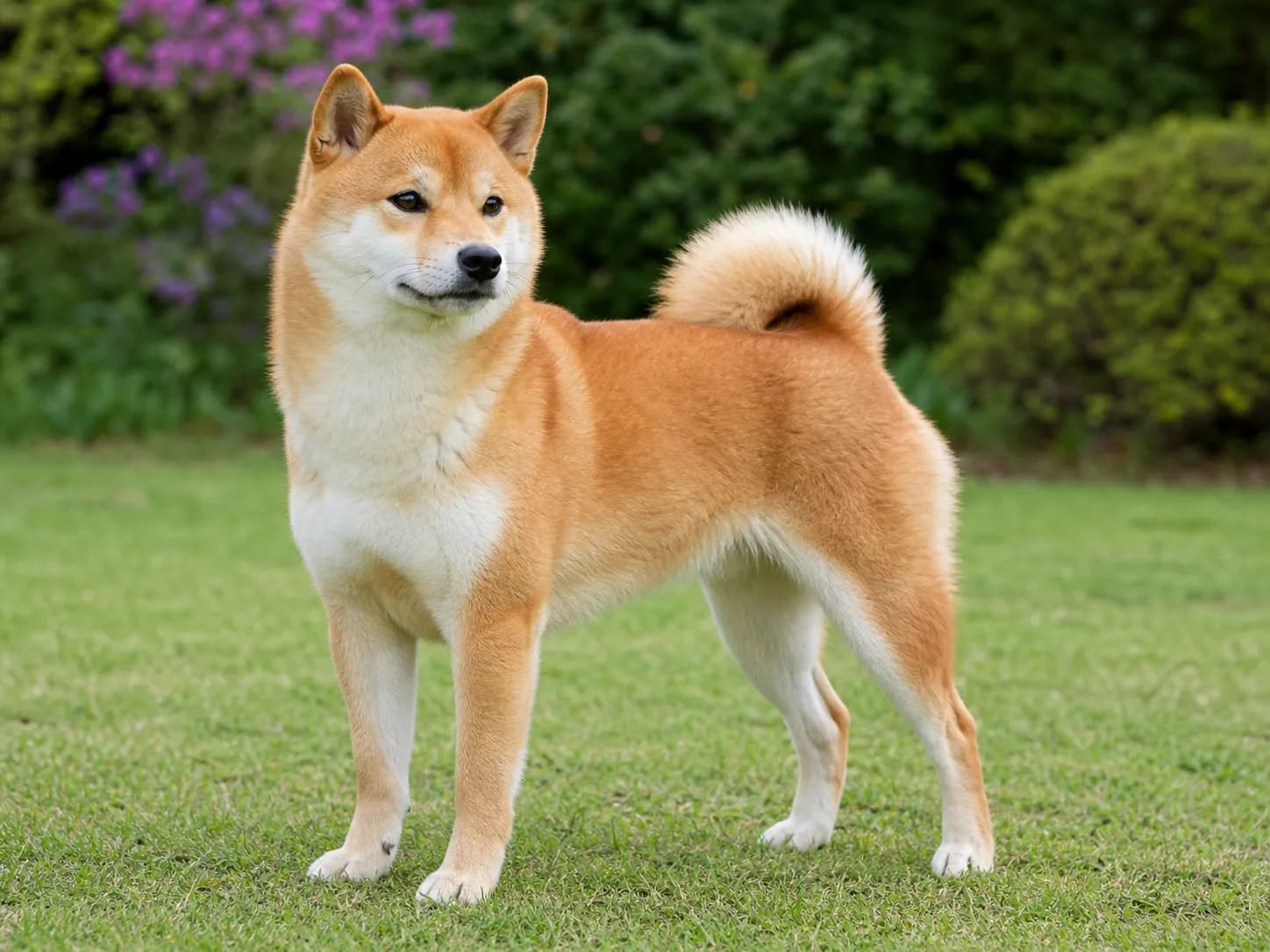
If a Shiba Inu allows you to live with them, you already understand the arrangement: you provide food, walks, and admiration; the Shiba provides presence. This is the cat software of the dog world running on fox hardware, and Shiba people wouldn't have it any other way.
Care rhythm
What to keep on the calendar
- Coat
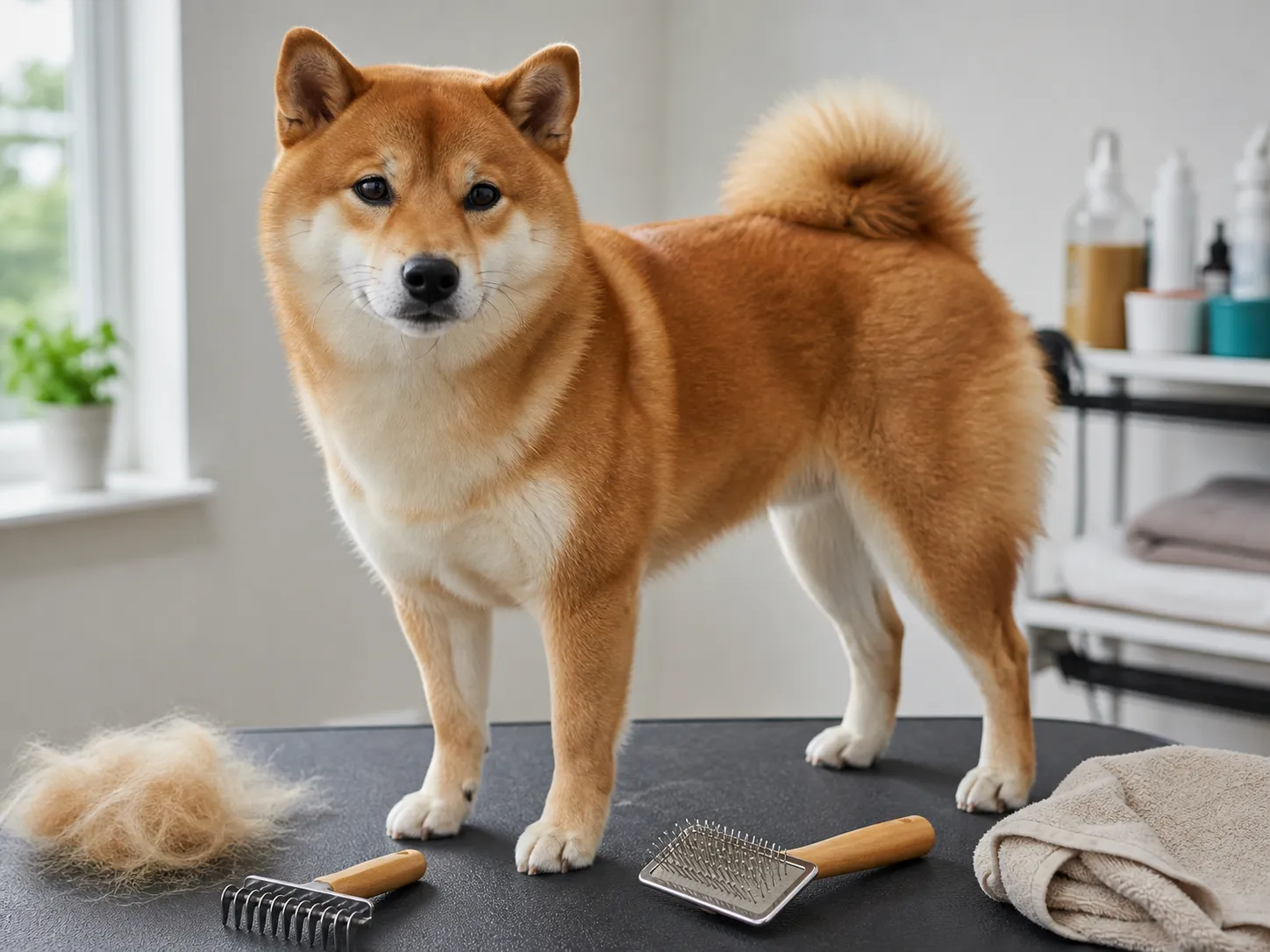
- Plan brushing, bathing, and grooming around this breed’s coat type and seasonal shedding.
- Movement
- Match exercise to age, conditioning, weather, and any orthopedic concerns.
- Veterinary flag
- Bring up breed-specific risks before procedures, diagnostics, or new medications.
The Best Bits of Shiba Inus
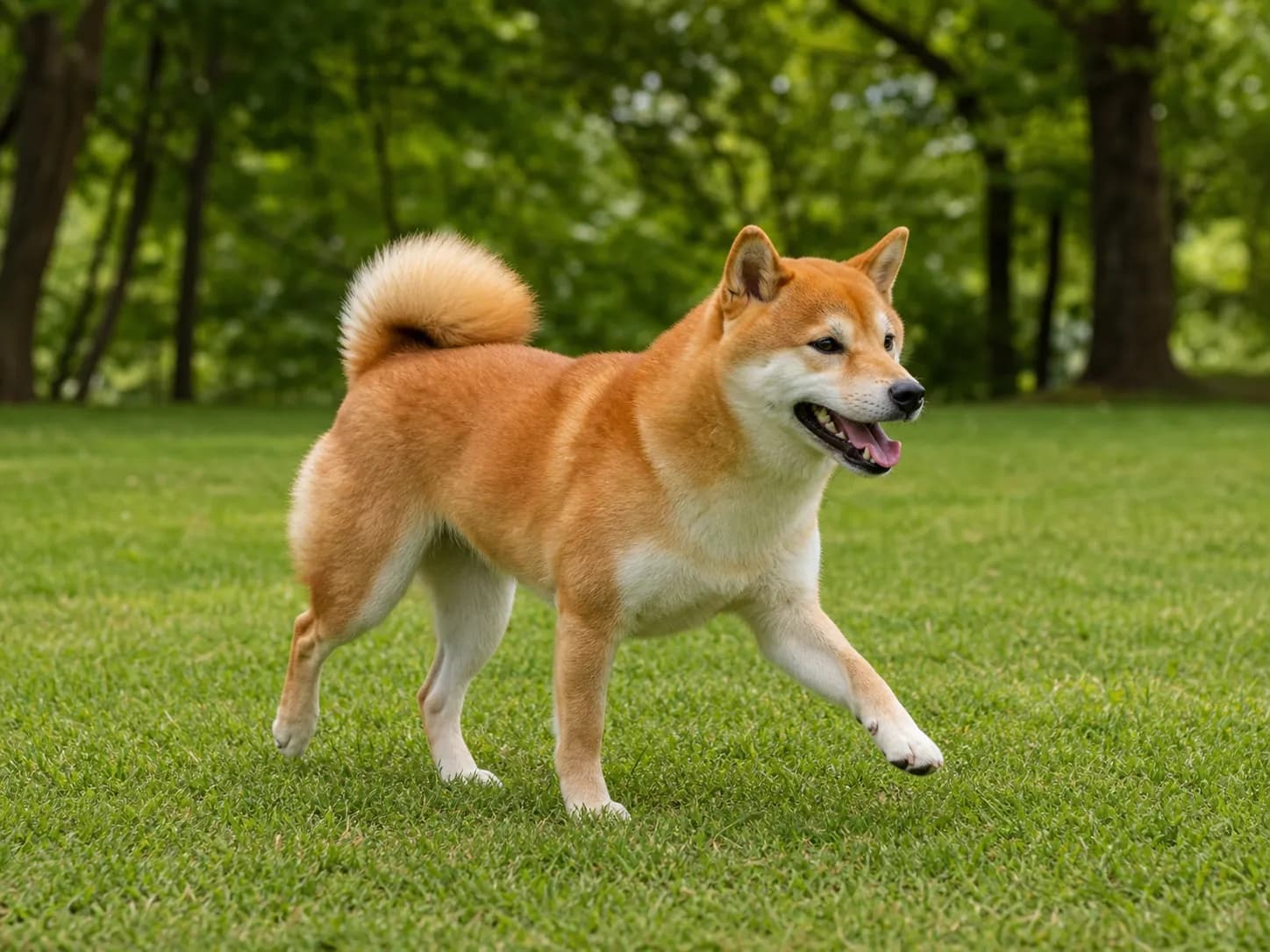
Shibas are small, sturdy, strikingly foxlike dogs with enormous self-possession. They're fastidiously clean (many groom themselves like cats and housetrain almost instantly), quiet indoors, sized for city life, and endlessly entertaining — the Shiba side-eye, the paws crossed like a duchess, the complete composure in public. They bond genuinely with their families; they just express it with dignity rather than slobber. Exercise needs are moderate and their weatherproof double coat needs little care beyond the twice-yearly shedding events, of which more below.
The Quirks That Make Us Love Them More
Three Shiba facts every owner learns. One: the recall is theoretical. Shibas are independent hunters who consider "come" a suggestion, so leashes and fenced yards are permanent equipment. Two: the "Shiba scream" — a piercing, theatrical shriek deployed for outrages such as nail trims, baths, and being mildly inconvenienced. Warn your groomer and your vet team (we're used to it). Three: the coat blow. Twice a year the undercoat leaves the dog all at once, creating drifts of fur that will outlast your vacuum's warranty.
A Little History
The Shiba is Japan's smallest and most ancient native breed, a mountain hunter of birds and small game for thousands of years. Nearly extinct after World War II, the breed was rebuilt from three surviving bloodlines and declared a national treasure of Japan. The internet later declared them a global treasure via a certain famous meme — the Shiba accepted the honor as no more than its due.
Veterinary focus
Genetic predispositions and care notes
Genetic Predispositions for Shiba Inus
Shibas are a robust, long-lived breed (mid-teens is common), but a few conditions appear often enough to know by name.
The Big One: Allergies and Atopy
Allergic skin disease is the Shiba's most common medical problem. Instead of sneezing at pollens, dust mites, or molds, allergic dogs itch: face-rubbing, paw-licking, ear infections that keep coming back, and belly rashes, typically starting between one and three years of age. Southern California's year-round growing season doesn't help. Allergies are managed rather than cured — but modern management is genuinely good, from year-round flea prevention (the non-negotiable baseline) through medicated baths, diet trials, and the newer itch-targeting medications and immunotherapy. A Shiba scratching itself bald is not "just being a Shiba"; bring them in.
Wobbly Kneecaps: Patellar Luxation
Small-breed knees, Shiba edition: the kneecap slips out of its groove, producing the classic skip-hop stride — a few strides on three legs, then business as usual. Mild cases need only weight control and monitoring; higher grades cause real lameness and arthritis and have good surgical fixes. We grade the knees at puppy visits and spay/neuter time so you know where things stand early.
Hips: Dysplasia in a Small Package
Hip dysplasia occurs in Shibas despite their modest size. Reluctance to jump, bunny-hopping up stairs, or stiffness after rest are the signals, and X-rays settle the question. The twin protections are familiar: buy from breeders who certify hips, and keep the dog lean — every extra pound multiplies joint load.
The Eyes: Glaucoma and Cataracts
Shibas carry elevated risk of glaucoma — dangerously high pressure inside the eye that is both painful and blinding, and an emergency when it strikes acutely. A red, cloudy, squinting, or suddenly enlarged eye is a same-day problem, no exceptions. The breed also sees hereditary cataracts and progressive retinal atrophy in some lines; annual exams (with referral to a veterinary ophthalmologist when indicated) keep watch on all three.
Hypothyroidism
Underactive thyroid shows up in middle-aged Shibas: weight gain without extra food, thinning coat, skin infections, and a general dimming of the pilot light. It's diagnosed with bloodwork and treated with an inexpensive daily supplement — one of the most satisfying fixes in veterinary medicine, because the dog you remember comes back.
The Basics: Weight, Teeth, and the Golden Years
A Shiba should be a lean, springy athlete under that plush coat — obesity is the multiplier on the knees, hips, and lifespan. Dental disease arrives on the standard small-dog schedule and advances silently; home brushing plus professional cleanings with X-rays as recommended is the counter. And because this breed routinely lives into the mid-teens, senior lab work from age seven or eight buys years of early warning on kidneys, liver, and thyroid.
Keep the leash on, the weight off, the skin calm, and treat any angry-looking eye as an emergency. Do that, and you'll enjoy a decade and a half of side-eye, ceremonial screaming, and the profound, understated devotion of Japan's national treasure — who, let the record show, was never actually lost.
Questions about Shiba Inu?
We can talk through preventive care, symptoms worth watching, and what is normal for your individual pet.
Contact our team