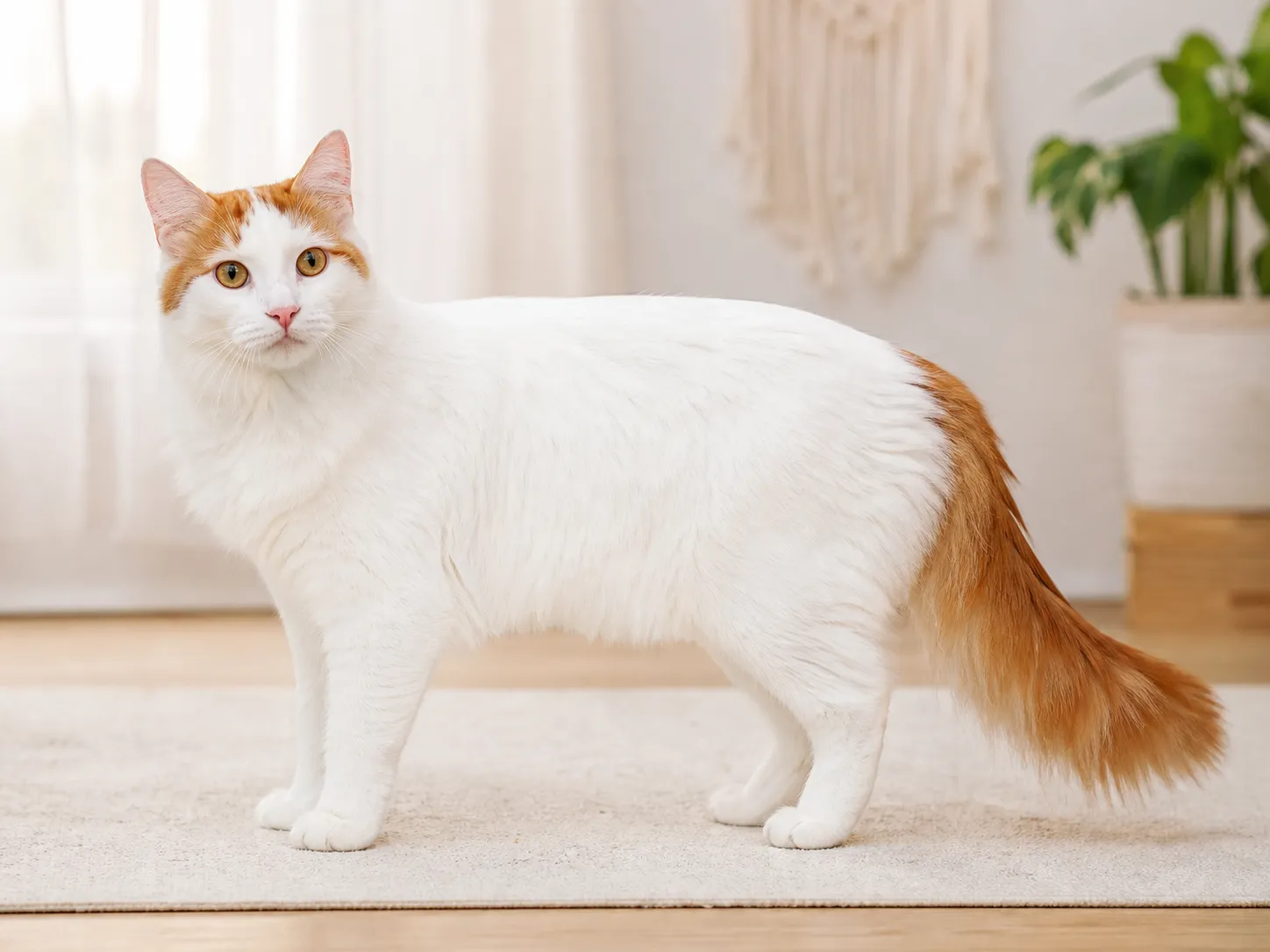
If you live with a Turkish Van, you've probably already fished them out of the sink, the bathtub, or — memorably — the aquarium. This is the famous "swimming cat," and the rumors are true: many Vans genuinely love water, which makes them essentially a different operating system from every other cat you've owned.
Care rhythm
What to keep on the calendar
- Coat
- Plan brushing, bathing, and grooming around this breed’s coat type and seasonal shedding.
- Movement
- Match exercise to age, conditioning, weather, and any orthopedic concerns.
- Veterinary flag
- Bring up breed-specific risks before procedures, diagnostics, or new medications.
The Best Bits of Turkish Vans
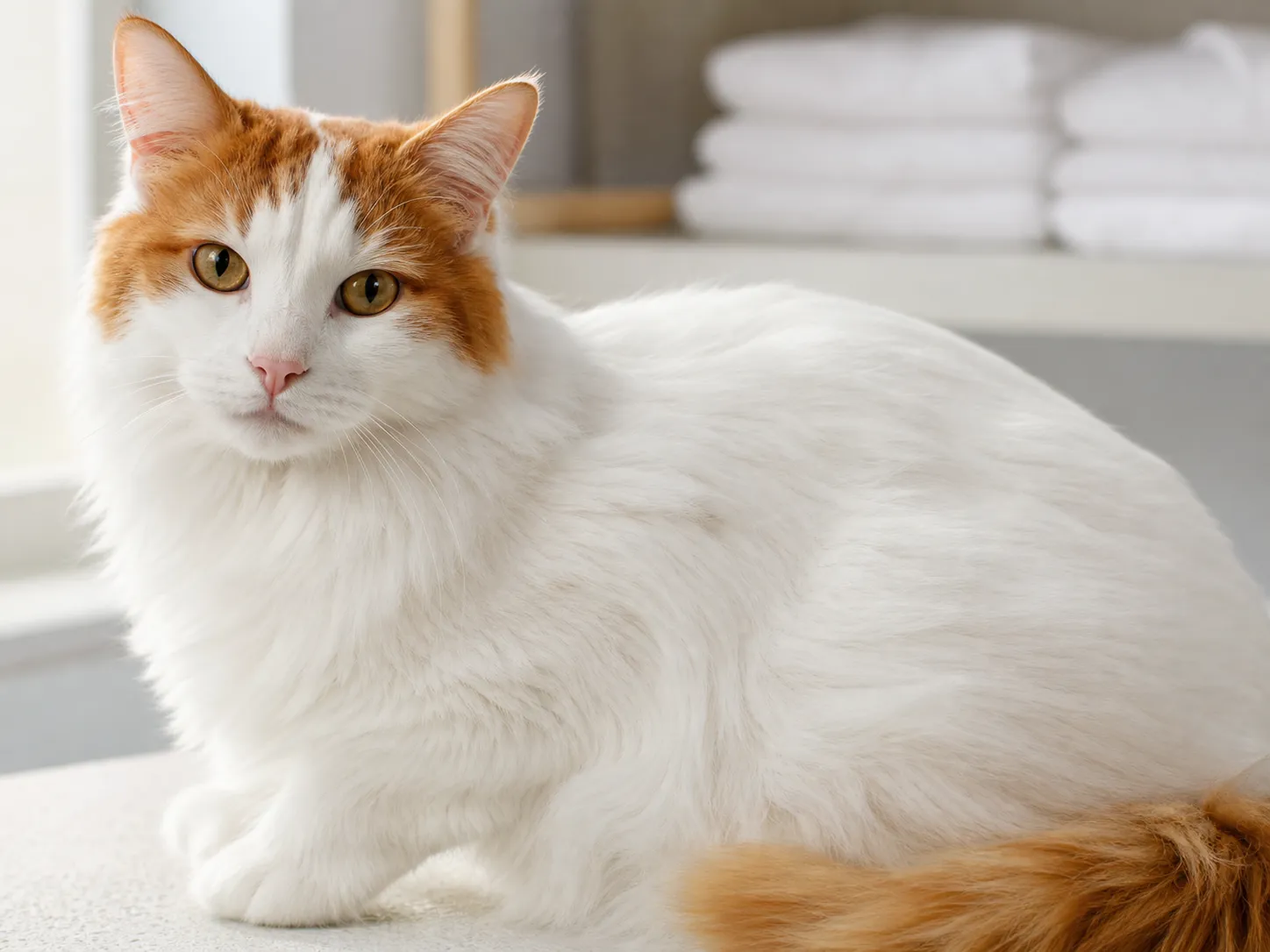
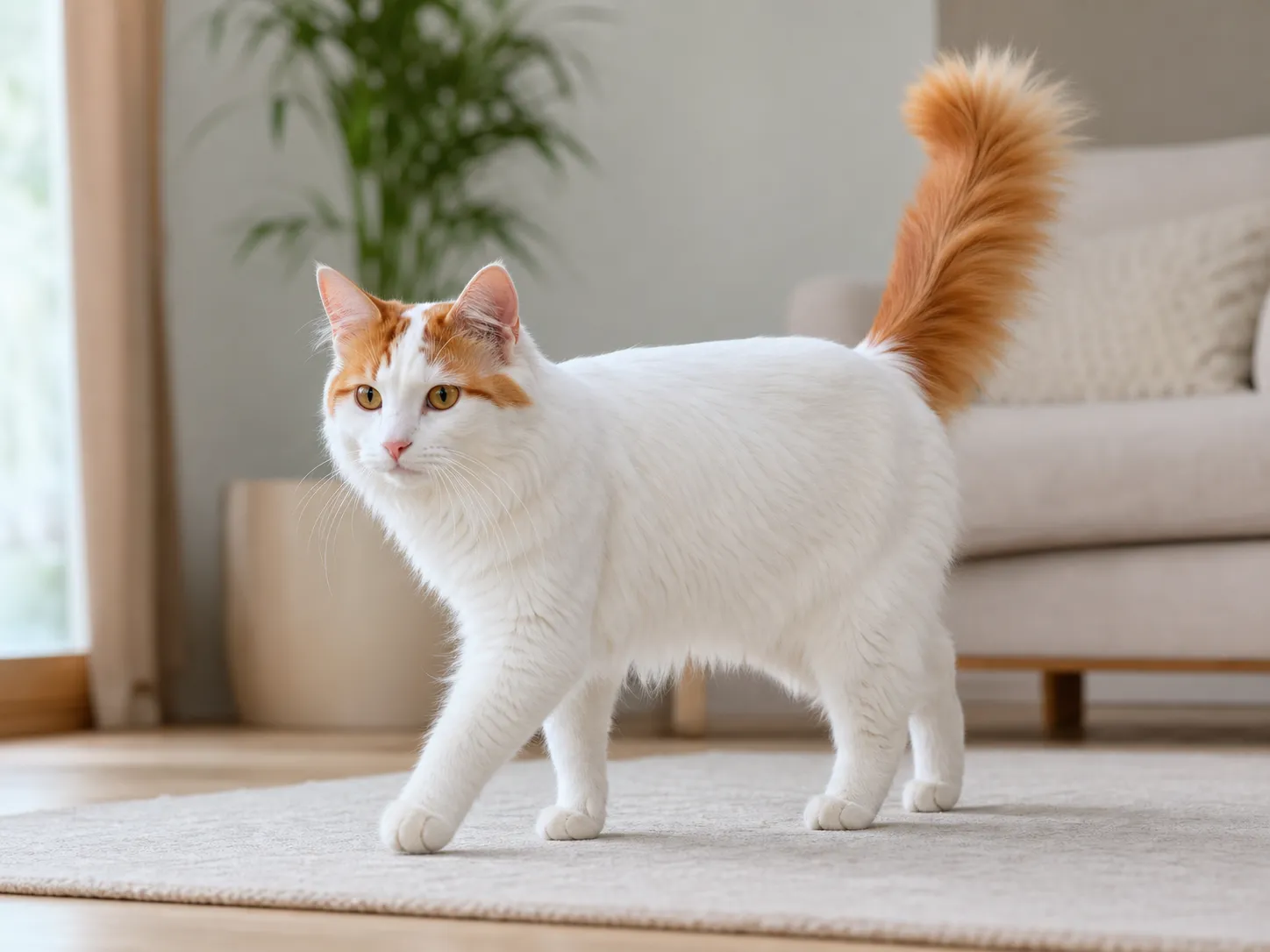
Vans are big, athletic, adventurous cats with a devoted streak. They bond hard to their people, greet you at the door, and carry on real conversations. That striking pattern — a mostly white body with color confined to the head and that magnificent brush of a tail — is so distinctive it's literally called the "Van pattern" on other breeds. The cashmere-soft, water-resistant coat has no undercoat and is surprisingly easy to maintain.
The Quirks That Make Us Love Them More
Let's be honest: the Van is a lot of cat. They're slow to mature (full size takes three to five years), they're powerful jumpers who treat your refrigerator top as base camp, and they have Opinions about being picked up and carried (generally: no thank you). Faucets will be turned on. Toilet lids must be closed. Water bowls will be splashed empty and reported as a service failure. You signed up for this.
A Little History
The Van is an ancient natural breed from the rugged region around Lake Van in eastern Turkey, where its swimming reputation was born. Brought to Europe in the 1950s by two photographers who were given kittens during a trip through Turkey, the breed remains relatively rare and treasured in its homeland.
Veterinary focus
Genetic predispositions and care notes
Genetic Predispositions for Turkish Vans
Centuries of natural selection left the Van hardy, and the breed has no long list of engineered problems. Here's what actually deserves your attention.
The White-Coat Question: Deafness
Some Vans — especially the all-white "Van kedisi" type with blue or odd eyes — carry the white-coat genetics associated with deafness in one or both ears. The classic patterned Van (color on head and tail) is at much lower risk, but it's worth assessing hearing in any predominantly white cat. Deaf cats do beautifully as indoor cats; they simply can't be safe outdoors and prefer to be approached within eyesight.
Heart Health: Hypertrophic Cardiomyopathy
HCM appears in most cat breeds, and Vans are no exception. This gradual thickening of the heart muscle can progress silently for years, which is why we care so much about that annual exam — a new murmur or gallop rhythm is often the only early clue. Rapid or open-mouth breathing, unusual lethargy, or sudden hind-leg weakness are emergencies. Screening (proBNP blood test, echocardiogram when indicated) catches it when medication helps most.
Big Athlete, Big Appetite: Obesity
A young Van burns calories like a border collie; a middle-aged indoor Van often doesn't, but eats like one anyway. Because this breed is naturally large, extra weight sneaks by unnoticed — owners assume "big cat" when the truth is "big cat plus three pounds." Extra weight strains joints and invites diabetes. Measured meals and real daily play (Vans fetch, chase, and yes, splash) keep the athlete athletic.
Joints Under Load: Arthritis
Powerful jumpers land hard for a lot of years. Feline arthritis is dramatically underdiagnosed because cats don't limp — they edit their behavior instead: shorter jumps, hesitating at the cat tree, sleeping more. In a heavy-boned breed like the Van, take "slowing down" seriously at any age past eight or so. Weight control plus modern feline pain management can give these cats their vertical life back.
Dental Disease
The Van's mouth is as vulnerable as any cat's to periodontal disease, which is painful, progressive, and quietly hard on the heart and kidneys. Bad breath is a medical finding, not a personality trait. Home brushing where possible, plus professional cleanings with dental X-rays as recommended, is the plan.
Bladder Business: FLUTD
Stress-related cystitis, crystals, and stones affect active breeds too — especially if water intake doesn't match their bravado around the bathtub. The Van's water obsession is actually an asset here: fountains and dripping faucets genuinely increase drinking. Any straining, blood-tinged urine, or out-of-box accidents warrant a prompt exam; a male cat straining without producing urine is a same-hour emergency.
Respect the water thing, feed for lean, screen the heart, and close the toilet lid — that's the Turkish Van owner's manual. In exchange you get a devoted, hilarious, semi-aquatic athlete whose ancestors swam in a mountain lake and who now considers your bathtub ancestral territory.
Questions about Turkish Van?
We can talk through preventive care, symptoms worth watching, and what is normal for your individual pet.
Contact our team